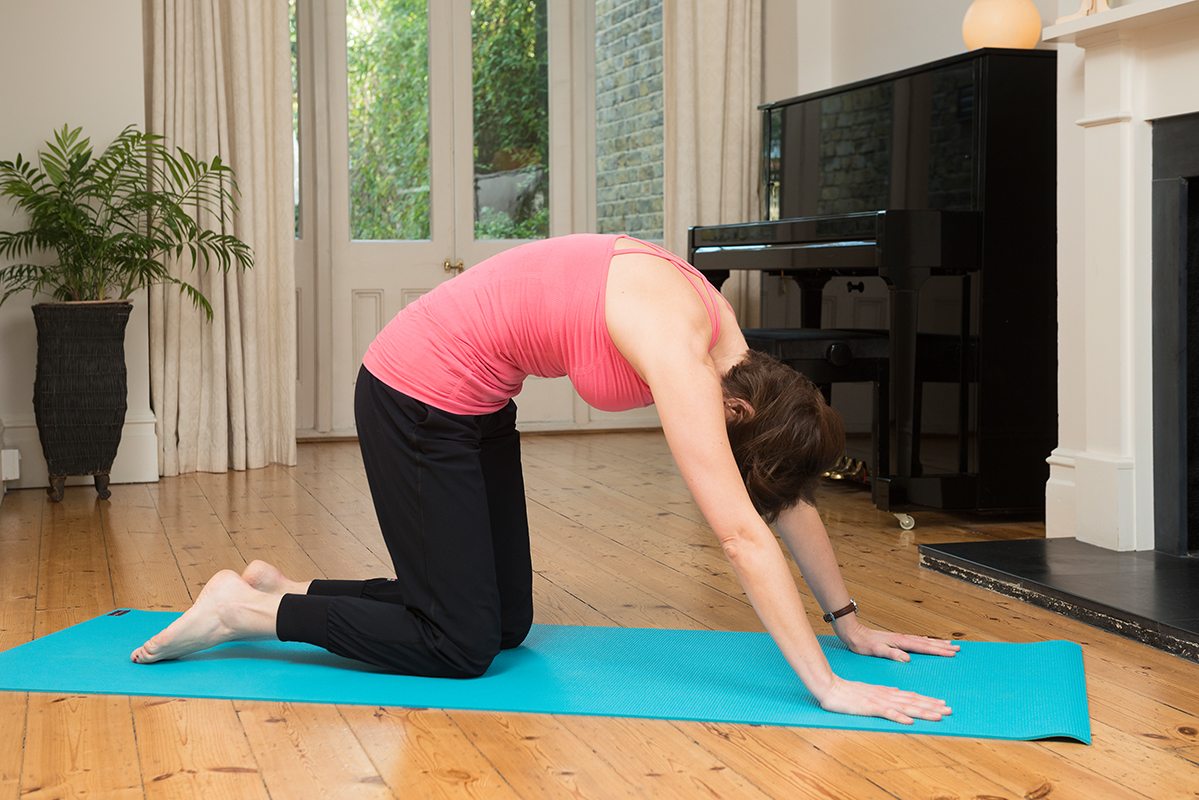
**Understanding and Managing Post-Yoga Soreness**
After engaging in a deep or vigorous yoga class, it’s not unusual to experience some degree of soreness. This is especially true if you’ve introduced new poses, extended your hold on certain postures, or pushed beyond your current fitness level. This soreness, commonly known as delayed onset muscle soreness (DOMS), typically sets in 12 to 24 hours after exercise and can persist for a few days. DOMS is a natural part of your body’s healing and recovery process, as your muscles repair and strengthen themselves.
**What Causes DOMS in Yoga?**
During yoga, muscles undergo intense stretching, contracting, and prolonged holds, which may cause microscopic tears in the muscle fibers. This triggers an inflammatory response, heightening sensitivity and resulting in the soreness we feel. While experiencing DOMS can be uncomfortable, it’s an indicator that your muscles are adapting and becoming stronger.
**Strategies to Reduce Soreness**
1. **Hydration:**
Drinking plenty of water post-workout aids in muscle recovery and reduces inflammation. Proper hydration helps flush out toxins and lactic acid, which can contribute to soreness.
2. **Proper Nutrition:**
Consuming a balanced diet with adequate protein, healthy fats, and carbohydrates supports muscle repair. Foods rich in omega-3 fatty acids and antioxidants, such as salmon, nuts, and berries, can also help reduce inflammation.
3. **Cool Down and Stretch:**
Conclude your yoga session with a cool-down phase that incorporates gentle stretching. This helps to slowly decrease heart rate and relax the muscles, reducing stiffness and soreness.
4. **Epsom Salt Bath:**
Soaking in a warm bath with Epsom salts can soothe tension and relax muscles. The magnesium in Epsom salts is absorbed through the skin, promoting muscle relaxation and reducing inflammation.
5. **Massage:**
A post-yoga massage can enhance circulation, disperse lactic acid buildup, and promote relaxation, which collectively ease soreness and improve recovery time.
6. **Active Recovery:**
Light activities such as walking, swimming, or gentle yoga can enhance blood flow to sore muscles, accelerating the recovery process without further straining them.
7. **Adequate Rest:**
Ensuring proper rest and sleep allows the body to repair and rebuild muscle fibers. Aim for 7-9 hours of sleep per night to support optimal recovery.
8. **Gradual Progression:**
Pacing yourself by gradually increasing the intensity and duration of your yoga practice can help reduce the severity of DOMS. Allow your body to adapt to new poses or longer holds over time.
9. **Foam Rolling:**
Utilizing a foam roller on sore areas can effectively reduce muscle tightness, break down soft-tissue adhesions, and improve flexibility.
Experiencing soreness after yoga is a common occurrence, reflecting your body’s efforts to adapt and grow stronger. By incorporating these strategies, you can minimize the discomfort of DOMS, encouraging a quicker and more effective recovery. Remember, listening to your body and adjusting your practice accordingly is key to a sustainable and enjoyable yoga journey.