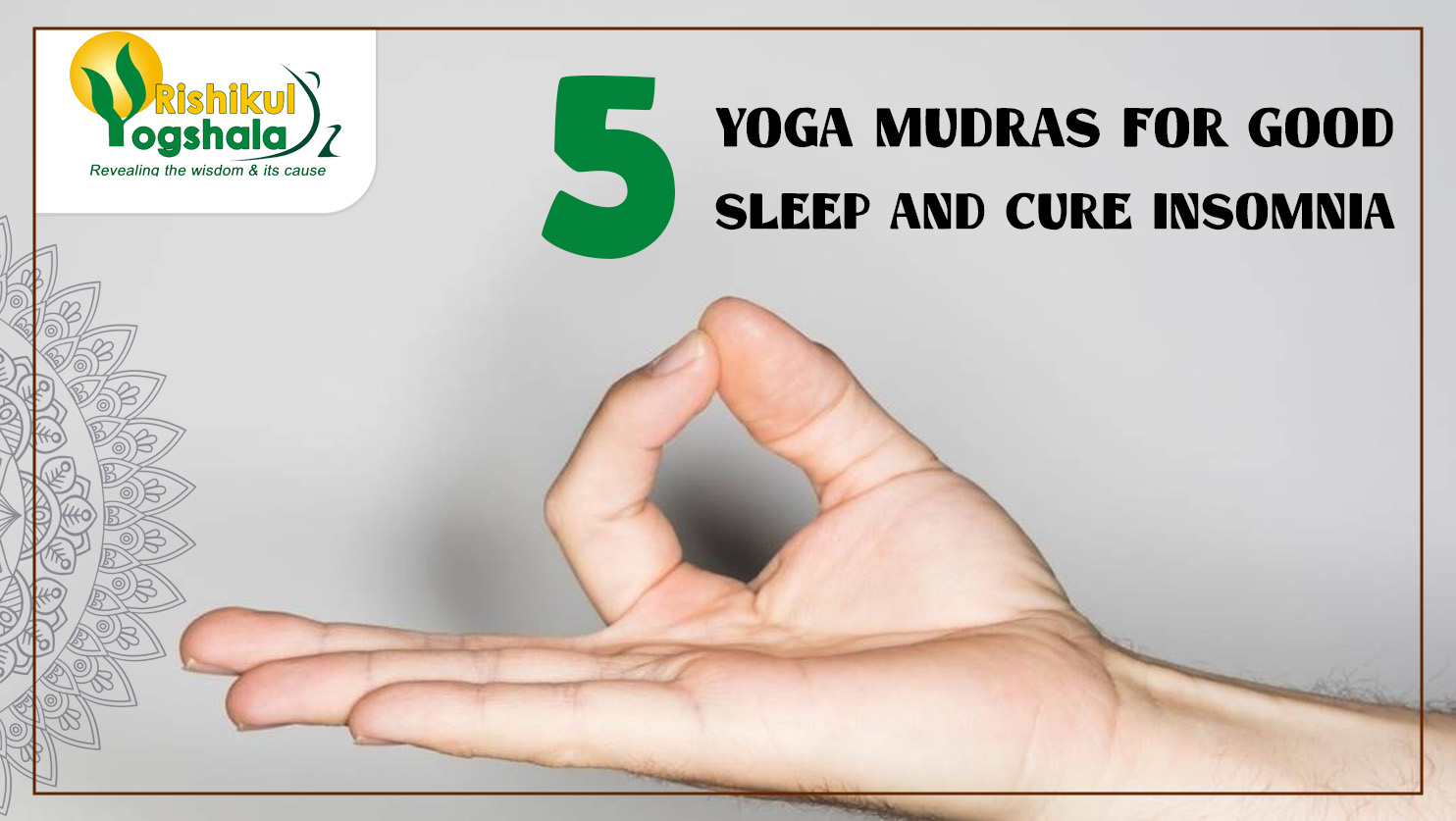
If you find yourself weary from tossing and turning and having difficulty falling asleep at night, you are not alone. Approximately one in three U.S. adults lacks sufficient sleep, with millions facing insomnia or other sleep issues. If sleep frustration is affecting you, it may be the right moment to explore a straightforward, scientifically-supported remedy: yoga. Numerous studies indicate that a consistent evening yoga practice can facilitate falling asleep more easily and enhance sleep quality.
Yoga is a comprehensive practice integrating physical postures, regulated breathing techniques, and meditative or relaxing elements. The relaxation response it evokes helps alleviate stress, soothe the mind, and foster a sense of well-being. For those grappling with sleep difficulties, yoga can help ease physical tension, reduce heart rate, and lower blood pressure—all crucial elements for restful sleep.
A consistent yoga practice aids in regulating the nervous system, shifting from the sympathetic nervous system’s fight-or-flight mode to the parasympathetic nervous system’s rest-and-digest mode. This change encourages relaxation and prepares the body for sleep. Poses that encourage relaxation, such as forward bends and gentle inversions, support this process. For instance, positions like Balasana (Child’s Pose), Uttanasana (Standing Forward Bend), and Viparita Karani (Legs-Up-the-Wall Pose) are notably effective in soothing the mind and alleviating daily tension.
Breath control, known as Pranayama, is another essential aspect of yoga that can enhance sleep quality. Techniques such as alternate nostril breathing and deep belly breathing boost oxygen supply, lessen anxiety, and promote calmness. Incorporating these practices prior to bedtime can help to settle an overactive mind and ease the transition into sleep.
Beyond its relaxation benefits, yoga also increases melatonin production, a hormone vital for regulating sleep. The practice promotes the natural secretion of this hormone, aiding in the alignment of the body’s circadian rhythms and improving both sleep initiation and duration.
Moreover, yoga helps mitigate insomnia symptoms by tackling its prevalent causes, including anxiety, depression, and chronic pain. Participants in yoga research frequently report not just enhanced sleep but also notable reductions in stress and pain levels, resulting in a more rejuvenating sleep cycle.
For those interested in adding yoga to their nightly routine, consistency is essential. Engaging in yoga for even 10 to 30 minutes each evening can produce substantial advantages over time. It’s crucial to establish a soothing environment (such as dimming lights and playing calming music) to enrich the overall experience.
In conclusion, if sleep issues have been troubling you, yoga offers a holistic and effective means to help you relax, achieve tranquility, and experience restorative nights. As with any fitness regimen, speaking with a healthcare provider or a certified yoga instructor can offer tailored advice and adjustments, ensuring that the practice caters to your unique needs and aspirations.