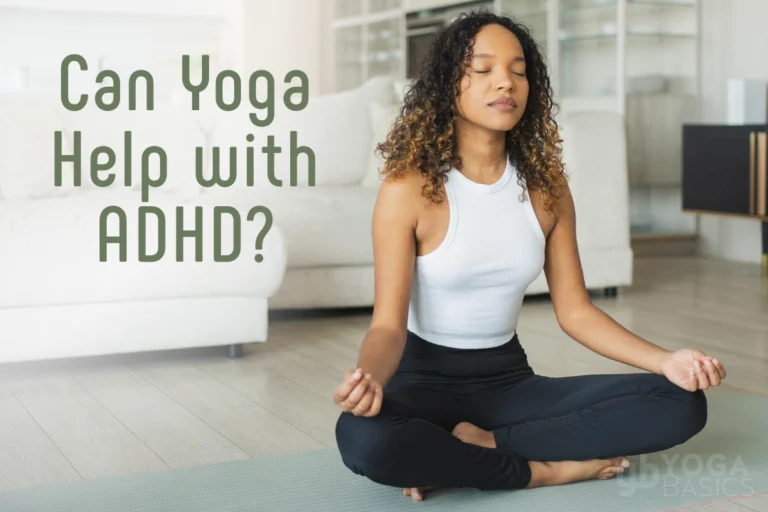
**The Soothing Effect of Yoga on ADHD Symptoms**
Experiencing life with ADHD can often seem like having a hectic highway in your mind, with thoughts racing in every direction and an agitation that never appears to quiet down. This may render everyday tasks difficult, and concentrating on a single endeavor becomes a relentless struggle. Although there are various treatments and medications available to help with ADHD, an increasingly favored approach is yoga.
At first glance, yoga might seem like an unexpected solution for someone dealing with ADHD. Its slow rhythm and focus on tranquility may appear counterproductive for minds that are perpetually active. Nevertheless, yoga is not a singular practice; it includes a broad range of styles and methodologies, many of which can be especially advantageous for those with ADHD.
**The Research Supporting Yoga’s Effect on ADHD**
Current studies back the notion that yoga can serve as a beneficial complementary therapy for alleviating ADHD symptoms. The blend of physical activity, breath regulation, and meditative techniques in yoga enhances focus, diminishes hyperactivity, and cultivates a feeling of inner calm.
1. **Movement to Enhance Focus**: Specific yoga forms, such as Vinyasa and Power yoga, feature dynamic flows that can captivate an ADHD mind by directing restless energy into organized, intentional movements. This can enhance concentration and promote a mental state that is more conducive to focus.
2. **Breath Regulation**: Pranayama, the technique of controlling breath in yoga, is essential for soothing the nervous system. Deep, regulated breathing boosts oxygen circulation to the brain, which may assist in mitigating impulsivity and anxiety—frequent hurdles for those with ADHD.
3. **Mindfulness and Consciousness**: Yoga also stresses mindfulness, the art of being aware in each moment without judgment. This practice can gradually heighten self-awareness, enabling individuals with ADHD to identify when their focus begins to diminish and to redirect their attention back to their current task.
**Selecting the Appropriate Yoga Style for ADHD**
For those with ADHD, it’s crucial to discover a yoga style that resonates with their preferences and requirements. Here are a few suggestions:
– **Hatha Yoga**: Involves static poses and gentle movements, making it suitable for novices and those seeking a more measured pace.
– **Vinyasa or Power Yoga**: These styles include more dynamic sequences and can be advantageous for those wanting to release energy and engage in a more intense workout.
– **Restorative Yoga**: Emphasizes relaxation and stress alleviation, proving helpful for quieting the mind and easing anxiety.
**Incorporating Yoga into Everyday Life**
Adding yoga to daily habits can yield continuous benefits for individuals with ADHD. Even brief, 10-15 minute sessions can be effective. Online platforms, community classes, and mobile applications can enhance accessibility to yoga, enabling individuals to practice at their own rhythm in the comfort of their homes.
In summary, although yoga is not a definitive solution for ADHD, it is a significant resource that can assist in symptom management and enhance quality of life. Its variety empowers individuals with ADHD to locate a practice that suits their unique needs, nurturing a heightened sense of tranquility and control in their daily experiences.