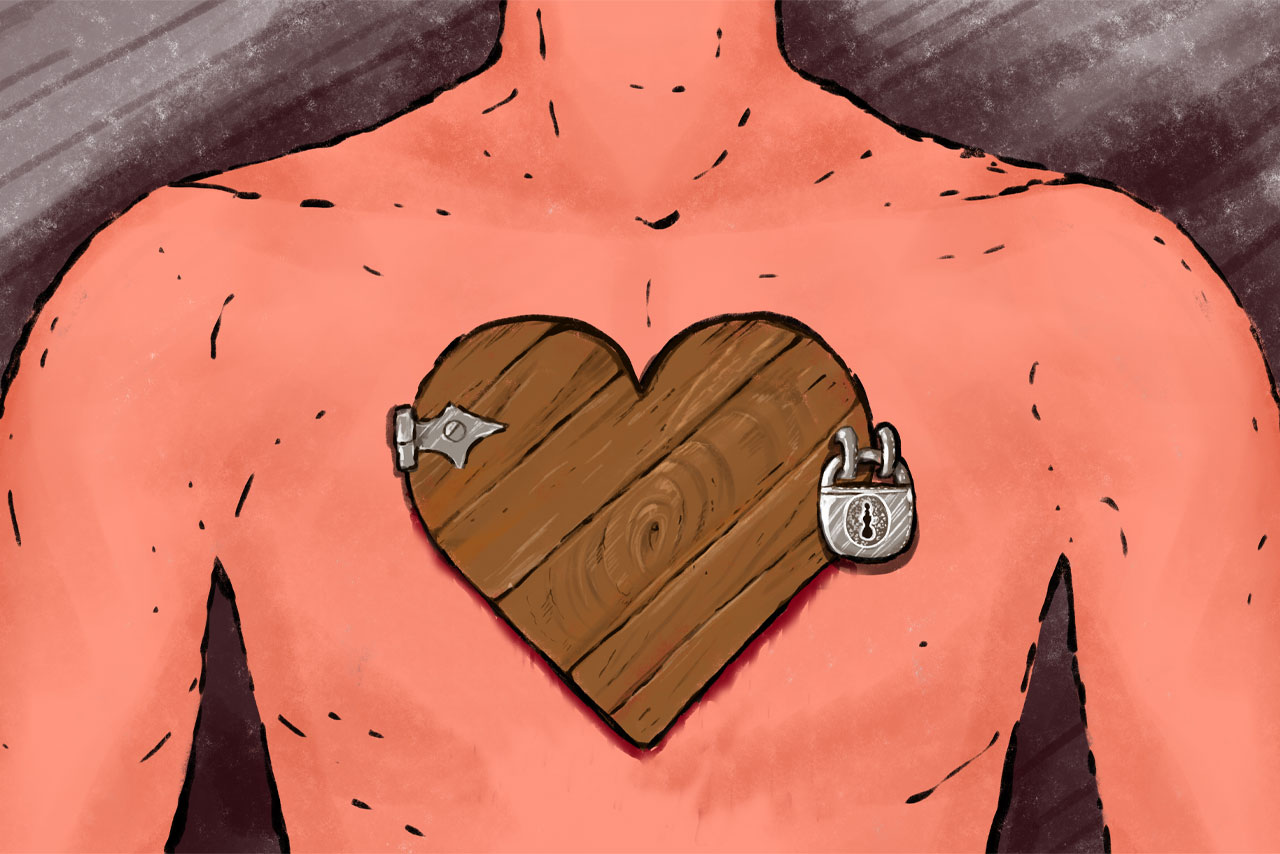
Ultra-independence serves as a defense mechanism that emerges when we realize it’s unsafe to trust love or fear the loss of ourselves in someone else. We’re not designed to face life in isolation. While we experience pain in relationships, we also find healing through them.
Do you often feel compelled to handle everything independently? Is it difficult for you to seek assistance due to the fear of being let down? Have you ever heard that “ultra-independence may stem from trauma”? I can relate; I once felt that way.
There’s nothing inherently flawed about you. This manner of living was my survival tactic, yet it led to loneliness and ongoing anxiety, which took a toll on my physical well-being because I thought I had to manage it all by myself.
We frequently develop ultra-independence as a result of mistrust or feeling unworthy of love and support. We may believe that rejecting help and taking care of everything ourselves will earn us love and acceptance, thus avoiding being perceived as burdensome.
Nonetheless, connections with others and support are vital. Claiming we don’t need anyone often arises from a wish to escape pain, criticism, or rejection. The thought of accepting support might trigger a protective instinct asserting its danger, which we must be aware of.
Requesting help can feel like a sign of weakness or neediness—often viewed as codependency. However, handling everything alone isn’t compulsory; healthy forms of codependency are possible.
Ultra-independence can also signify a rigid boundary. Learning to establish healthy boundaries can create a sense of safety where we feared losing our identity.
We might feel ultra-independence is essential when vulnerability feels unsafe, fearing the exposure of our flaws or the reawakening of past traumas. Shame can keep us distant from relationships and support.
One complex notion is that despite previous relationship injuries, nurturing relationships can lead to healing.
For me, relationships were often filled with criticism and rejection. As a child, seeking support triggered anger in my father, making me feel isolated while witnessing others receive aid.
My ultra-independence forced me to suppress my needs and emotions, as trying to manage everything proved overwhelming, particularly in my youth. At fifteen, I developed anorexia and struggled with depression, anxiety, and self-harm for more than twenty-three years.
At twenty, I opened up to a boyfriend, confusing material gifts for affection. In the end, he manipulated me with presents, leaving me confused and resolved to never accept anything from anyone again.
Eventually, a journey to Palm Springs with a friend helped me heal that resolution. Winning money on slots, which he insisted I keep despite my hesitance, opened my eyes to new viewpoints.
My path to healing commenced at forty when I began reconnecting with myself and addressing trauma, learning to ask for support, which originally garnered mixed responses but ultimately revealed who valued meeting my needs.
Instead of blaming myself for my independence, I paid attention to the fear that drove it. By acknowledging the pain, I gained insight into the protective intention behind it.
Listening empathetically to my fears, I expressed gratitude for their protection and reassured them of safety and love. My inner voice craved genuine connections and support but was filled with apprehension.
By confronting childhood wounds and past relationship experiences, I allowed this younger version of myself to come forth, express, and reshape its understanding, feeling loved and secure in the process.
Conquering ultra-independence played a crucial role in healing my anorexia, depression, and anxiety. Despite the failures of hospitals and therapies, self-reliance proved to be healing, while nurturing environments also contributed to my growth.
Though we aren’t meant to exist in solitude, isolation feels safe from pain. Yet, it’s unnecessary to force assistance; nurturing self-love is a step towards being open.
Asking, “Why is it hard for me to accept support?” can yield valuable insights, allowing for compassionate listening that reveals desires and needs.
Receiving support doesn’t equate to complete dependence—finding a balance between independence and self-sufficiency is key to avoiding frustration.
Connecting with emotions, articulating needs, and making requests is essential. If you encounter difficulties, consider asking, “Can someone listen without seeking to change me?”
If this feels overwhelming, try using affirmations about being open to support. You might begin with “I like the notion of…” if necessary.
Affirm your worthiness of support and love. Recognizing that you deserve it doesn’t require evidence—your mere existence is enough.
Past traumas do not have to dictate isolation; people are willing to support you—you simply need to let them in. Engage in the conversation by leaving a comment on the site.
About Debra Mittler:
Debra Mittler is a kind-hearted healer, aiding others in achieving unconditional self-love, peace, and authentic living. She guides clients with insights and unwavering love, fostering a connection with their inner wisdom.
Web | More Posts