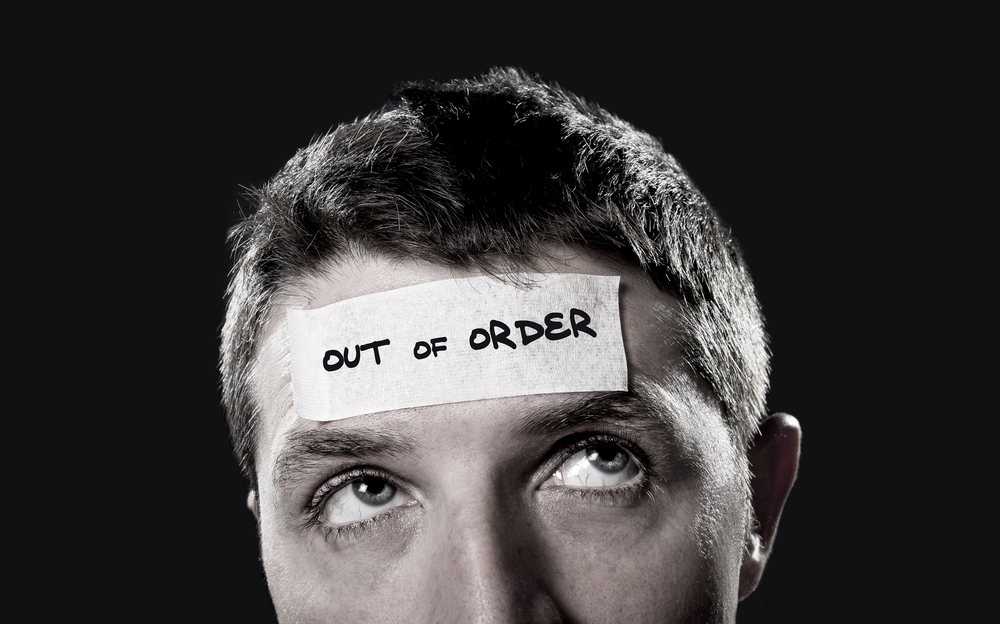

“With self-compassion, we extend to ourselves the same kindness and care that we would offer to a dear friend.” ~Kristin Neff
For an extended period, I held onto a question that I seldom voiced aloud. It wasn’t overly dramatic. It wasn’t cruel in nature. It felt rational—even responsible.
What’s wrong with me?
This inquiry arose whenever I felt immobilized. When my motivation waned. When I struggled to accomplish tasks I believed should come easily to me. It surfaced quietly in moments of feeling overwhelmed, in the pause before self-criticism took hold.
I asked it earnestly. I was convinced it was the right starting point.
If something in my life felt off, then surely the answer resided within me. A mindset issue. A lack of discipline. An unresolved flaw. I presumed that once I identified it, everything else would align perfectly.
So I introspected with determination.
I consumed books. I closely monitored my thoughts. I aimed to become more self-aware, more evolved, more competent. I thought that growth required perpetual self-analysis—and that posing tough questions indicated maturity.
However, over time, something about that inquiry started to feel wrong.
Each time I asked what was wrong with me, I found no clarity. Instead, I felt more constrained.
My chest tightened. My shoulders lifted. My breathing became shallow without my awareness. My mind raced ahead, seeking a quick explanation, as if hurrying could offer relief.
I didn’t realize it then, but my body reacted as though it were being interrogated.
The question held an unexamined assumption: that something was fundamentally wrong, and it was my duty to discover and rectify it.
Initially, I believed the discomfort indicated that I wasn’t trying hard enough. That I required more insight. More effort. More honesty from myself. So I continued pushing forward.
Yet, the more I posed that question, the more closed off I became. Rather than opening myself up, it instilled defensiveness. It shifted my focus from understanding myself to scrutinizing my mistakes.
I was attempting to heal, but I was doing it through a lens of suspicion.
The change didn’t emerge from a singular moment of revelation. There was no dramatic epiphany. It accumulated through something quieter and less glamorous.
Exhaustion.
One day, I recognized that I could no longer treat myself as an issue to be resolved. I grew weary of dissecting every reaction, every delay, every moment of resistance as proof of failure.
I was worn out from standing in front of myself with a clipboard.
And in that weariness, a different question emerged—not forced, not contrived, simply present. What happened to me?
The impact was immediate and visceral.
My breathing steadied. My shoulders relaxed. My body softened in a way it hadn’t for years. I wasn’t bracing for a response. I wasn’t rushing to justify myself or explain my actions.
That question didn’t require a judgment. It opened the door for context.
Instead of prompting me to defend or amend, it encouraged me to observe. It created space for history. For experience. For the notion that my reactions were understandable.
I began to realize that responses don’t manifest out of thin air. That patterns are acquired for specific reasons. That what we frequently categorize as self-sabotage is occasionally the nervous system doing precisely what it learned to survive.
In my upbringing, I learned to be acutely aware of myself—my tone, my reactions, my emotional presence. I grew up in an environment where authority figures were quick to correct and slow to question, where being observant and self-adjusting felt essential to avoid trouble and gain acceptance. Over time, that quiet self-monitoring became so ingrained it felt like responsibility, maturity, self-awareness.
I began to notice how often I moved through my days braced against myself—evaluating my productivity, critiquing my energy levels, doubting my worth when I couldn’t meet my expectations.
When I caught myself in that mindset, I tried a new approach.
I paused.
I observed what my body was doing before I evaluated what my mind was asserting.