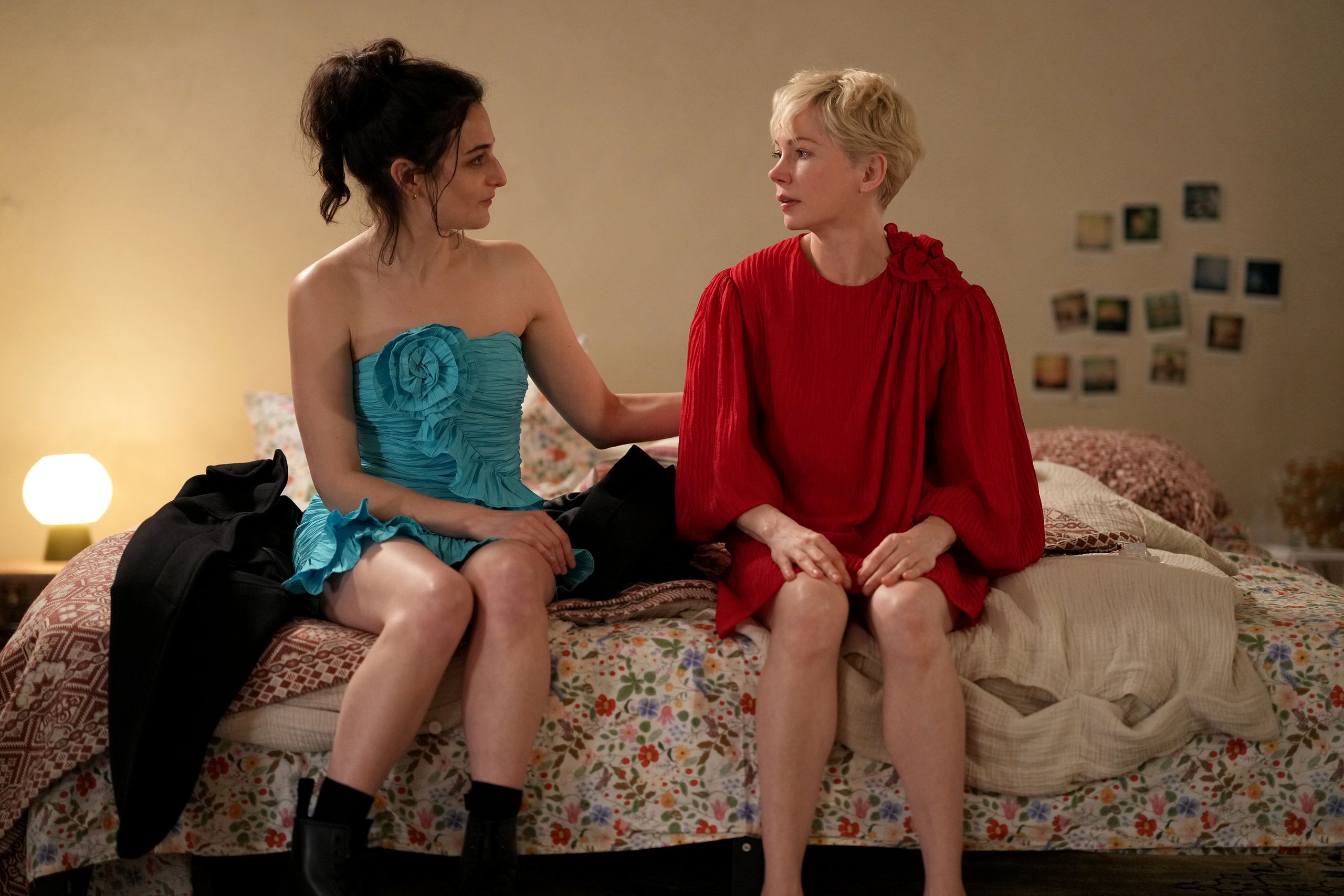

“You can’t win love through performance. It’s about showing your true self and trusting that the right person will appreciate who you are.”
I stepped into a softly lit space radiating “Love Jones” ambiance. Gentle neo-soul melodies flowed in the background, shadows danced in the red illumination, and the beat vibrated in my chest. A setting meant for sincere discussions.
He arrived just as I was enjoying my drink. Dark gaze, charming grin, a demeanor that urged me to sit up more attentively. “What’s in your glass?”
In no time, our dialogue shifted from casual chatter to profound subjects. Our paths, aspirations, and genuine wishes. The exchange felt mature and deliberate.
Exchanging numbers made my heart flutter in a way it hadn’t in a long while. I floated out of that hidden bar.
Sunday came—my day for recharging. I didn’t anticipate a rapid response from him. By Wednesday, his silence was palpable. Time passes quickly when you’re occupied assisting others.
I dropped a brief message, sharing how much I valued our conversation and wishing to hear from him. He never got back to me.
I was left confused. He came up to me, asked for my contact information. Where did I falter?
I reflected on that evening through my journal. I inquired about his profession, family, future ambitions—open-ended prompts aiming to make him feel acknowledged.
Then it dawned on me.
I’m a high school counselor with a master’s degree, equipped with years of building trust. People describe me as naturally friendly, fostering an environment conducive to vulnerability. It’s my talent.
On that date, I was in counseling mode. Concentrated on forming a connection with him, I didn’t pause to consider: Do I genuinely want to connect to him?
I was not insincere, merely acting in my authentic professional manner. That was the problem.
This incident wasn’t isolated. I recalled previous dates: a lawyer narrating his divorce, a teacher with aspirations for a nonprofit, a musician grappling with a fraught relationship with his father. I facilitated the discussions but failed to assess my feelings.
I was unaware if I found any of them attractive or if our values aligned—I was absorbed in excelling at my role.
This method proved effective in my professional environment, but not on romantic outings. I needed to cease leaning on my professional abilities and start evaluating my own desires.
I delved into Loving Bravely, complied nightly journal entries, listened to Louise Hay, persisted with yoga. I wasn’t playing a role, but I lacked clarity about my wants.
After recognizing what I treasured in myself, I expressed what I sought in a partner—a genuine best friend who would uplift my dreams and maintain his own, without dominance.
I had already witnessed the other side. I would prefer to remain single than compromise.
Hence, I shifted my focus toward self-exploration, rather than seeking a partner.
I analyzed former relationships—what I accepted, overlooked, or sacrificed.