
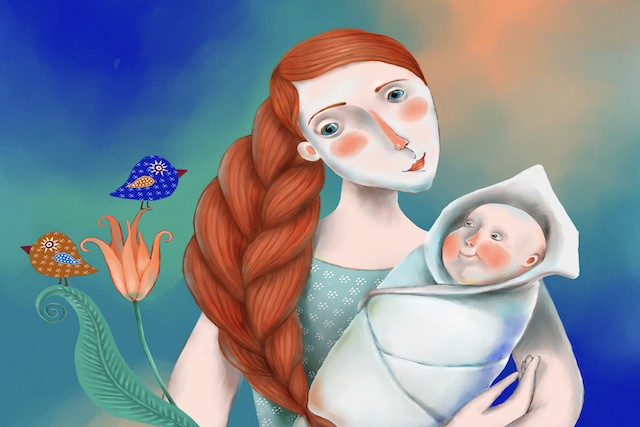
“There’s no such thing as a ‘bad kid’—only angry, hurt, tired, scared, confused, impulsive children conveying their feelings and needs the only way they know how. We owe it to every single one of them to always keep that in mind.” ~Dr. Jessica Stephens
From their initial moments in life, kids look up to their parents, demonstrating an innocent and unconditional affection. They are perceived as the primary authority, steering their children through the journey of existence.
It’s rare that we ponder if they might be misguiding us.
Like others, I admired my parents, oblivious to their flaws, wounds, and traumas. My affection for them remained steadfast, and I valued our moments together. Even when they reprimanded me, I took their words as fact without hesitation.
During times of low self-esteem, anxiety, and suicidal thoughts, convinced I fell short, I directed all the blame inward. I absorbed their actions that rendered me feeling insufficient, neglecting to recognize that their struggles could have influenced my feelings.
In my romantic endeavors, persistently pursuing emotionally distant partners, I held myself to blame, never considering if these patterns had roots in my relationship with my parents. I embraced their narrative that I was the issue.
Eventually, I understood my challenges arose from parents battling their unresolved traumas and emotional immaturity.
Here are five signs indicating your parents may have exhibited emotional immaturity and the possible effects on your life.
1. Their feelings and needs took precedence over yours.
Parents lacking emotional maturity frequently center their own feelings, expecting their child, you, to assist them in managing their emotions.
As a child, I comforted my distressed mother with hugs. However, as I matured, her anger erupted if I wasn’t there to comfort her, branding me as selfish. I accepted that as truth.
When playing with friends, my childhood was cut short if it meant overlooking her needs. This conditioned me to believe that putting my needs ahead of hers was dangerous, leading to a withdrawal of love, which instilled fear in me. This anxiety carried into my adult relationships, where I felt obliged to manage others’ emotions, attracting similar dynamics to those I had with my mother.
2. Voicing emotions or needs felt threatening.
Sharing feelings frequently led to negative responses from parents, instigating panic within. Discussing difficulties might be met with dismissive comparisons to their own struggles.
Requests, such as asking for a lift, could trigger accusations of self-centeredness, as if ignorance of their efforts was unacceptable.
As a result, emotions and needs were stifled, potentially resulting in disconnection from one’s own emotional well-being in adulthood.
3. They evaded responsibility for their actions.
Hurtful behaviors often went unrecognized, without apologies, leaving unresolved conflicts as one-sided attempts for reconciliation initiated by you.
This can produce relationships marked by unresolved issues, breeding resentment and unhappiness due to a sensation of helplessness.
4. They struggled to regulate their emotions.
Living triggered, with unchecked emotions, they mistakenly