
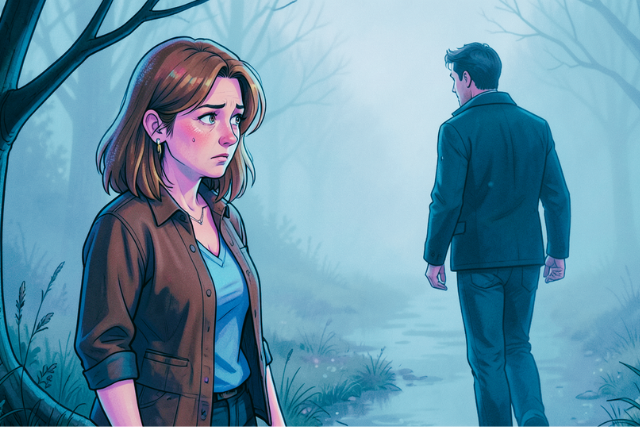
“Sometimes people hurt us because they themselves are hurting and label us as broken because that reflects their own feelings, but we don’t have to accept their words.” ~Lori Deschene
Neither age nor the process of healing protects you from incidents that may trigger past childhood trauma. It merely signifies that there remains an opportunity for recovery. There is nothing fundamentally “wrong” with you.
I confronted major trauma in my twenties, revisiting experiences of childhood sexual abuse, and fluctuated in and out of psychiatric facilities. Upon reaching my thirties, I acknowledged that tranquility felt out of reach as I had no frame of reference for it.
What rescued me was not psychiatry or therapy, but cultivating a spiritual relationship with myself. Meditation, prayer, and engaging in a life of service lifted me from despair. It has been three years since I’ve been in a psychiatric ward. I’ve been able to maintain financial stability, build friendships, and fulfill numerous aspirations.
However, I encountered someone named Brian earlier this year. He stood out because he embodied both strength and vulnerability. Meeting him felt like a reunion, as if I was recognizing a piece of myself. I wanted to explore a deeper connection with him. Was he a kindred spirit?
After a romantic evening, he undermined our bond. Withdrawing, behaving unpredictably, and invoking feelings of jealousy by mentioning other women, he later revealed it was a test.
I could sense his unease with being recognized by me. I felt his suffering and offered support as he expressed his trauma. Even though I didn’t intend to “rescue” him, meeting someone who mirrored my own pain was comforting. It made me feel compassionate toward him.
Despite an undeniable chemistry, he didn’t reciprocate my feelings. Once his charm wore off, he became unkind, ignored me, came back, apologized, and made me feel valued. He shifted blame onto me when things faltered, criticizing me while I rationalized his behavior.
Due to persistent self-doubt and self-loathing stemming from my twenties, I believed I was the issue—thinking that enduring pain equated to love.
In this relationship, I began reverting to self-destructive habits from my childhood, such as disordered eating and self-harm, while feeling increasingly depressed and anxious.
When I voiced my feelings, he made it evident that I was alone in them. Yet, due to past traumas, I felt an urge to regain his affection to feel whole. It was a miserable experience.
Ultimately, I realized Brian was incapable of managing intimacy due to his own struggles. He framed our difficulties as my responsibility.
While I may have seemed clingy, that did not excuse his mistreatment. His inconsistency only heightened my need for affirmation.
Even though I was non-judgmental, I eventually recognized his harmful behavior. He employed silent treatments, name-calling, and leveraged money to assert dominance.
In the end, I had to release him. Our relationship required my downfall for his gain.
One particularly harsh comment regarding my “insides being broken” stunned me, especially considering my history of sexual abuse. His portrayal of my distress as overreacting caused me to question myself.
I shouldn’t have. It was inappropriate to say that. However, enduring self-doubt from childhood made it challenging to identify his toxicity sooner.
After ending the relationship, I realized I needed to focus on myself to avoid repeating similar situations in the future.
Was I the ideal partner? No. Could I enhance my relationship habits? Yes. But did I deserve his mistreatment? Absolutely not.
Here are some reminders to help you reconnect with your identity when toxic shame clouds your perception.
1. You’re often attracted to people based on the feelings they evoke in you, whether positive or negative. If it leans more towards shame than love, you may need to invest in self-work.
2. Struggles with someone can indicate companionship, but the nature of that association can derail your progress. Choose your allies for spiritual battles wisely.
3. Being somewhat unhealed doesn’t validate someone’s silent treatment or manipulation of finances.
4. Hold off on pursuing meaningful relationships until you have clarity about who you are and what your boundaries are.
5. Enduring pain is not love. It’s just pain. Choose wisely!
These insights could have illuminated my path back to myself. My regret lies in the time I spent in that relationship due to self-doubt and self-hatred.
Life is fleeting. We don’t