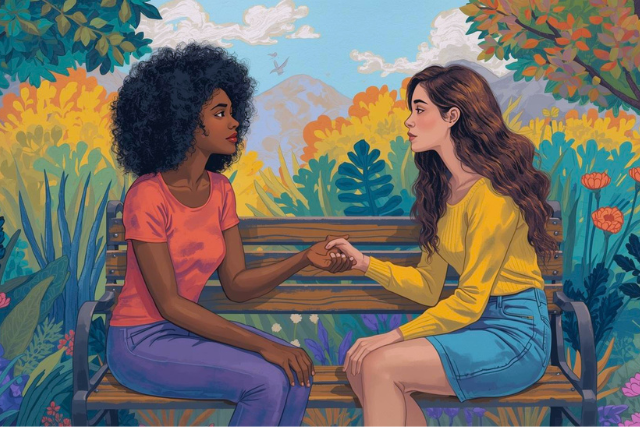
“Trust is not built through the act of providing assistance. It is fostered by reaching out for it.” ~Simon Sinek
I’ve always been perceived as the resilient sister, partner, and friend.
I never intentionally chose to be the strong one. It was a role that naturally emerged as the eldest daughter, taking on more duties than my siblings. Exhibiting strength and responsibility gained me rewards and kept others close.
I’m the go-to friend when there’s turmoil, the one who rejoices in your achievements, the supportive friend, the motivating friend. I dedicate hours to conversations, needing days of quiet afterward. I follow up later because that’s simply what I do.
I’ve never questioned whether I’m a good friend or what I desire from friendships.
The Inquiry No One Was Posing…
Simon Sinek suggests the Friends Exercise: inquire of your closest friends, What makes you my friend?
Initial answers will likely be superficial—loyal, enjoyable, good at listening. However, dig deeper; the essence lies in how they feel in your company, where your genuine influence is found.
I reached out to my four dearest friends.
The feedback: wonderful, understanding, inspiring, genuine, fun, motivating. Their encouraging comments filled me with pride.
Yet, a sense of discomfort emerged.
Why are my friendships lacking emotional depth?
I contemplated my openness with them. Do I seek assistance? Can my friends express vulnerability with me? Even though their responses were heartwarming, I found myself speculating about their actual sentiments. I reflected on their willingness to support me.
This revelation was unexpected.
The Pattern Concealed Behind the Strength
Here’s what I’ve come to understand.
Aside from moments of anger and frustration, I do not bring emotions into my friendships. We promptly resolve conflicts, quickly shifting into problem-solving mode and reassuring each other it’s fine before the conversation concludes.
My friendships resembled my romantic involvements—they were emotionally detached. I unknowingly created a circle of similar individuals.
While exploring a book about friendship, I recognized I had postponed platonic intimacy instead of nurturing it. I consistently showed up, responded to inquiries, and provided space but failed to cultivate closeness. I occupied a role, rather than fostering a relationship.
My friendships centered around my identity and my contributions. I wasn’t open, concealing frustrated or sorrowful aspects from friends despite our long-standing connections. I perpetually played a role. This awareness gradually emerged, but eventually became clear all at once.
Where It Truly Stemmed From
During my childhood, I didn’t have friends in the conventional sense—no sleepovers, no outings, or being someone’s confidant. I spent a significant amount of time alone, developing self-reliance in forging connections, steering clear of neediness, and being valuable without demanding upkeep.