
“We cannot expect from others what they have never learned to provide.” ~Unknown
As a young person, I believed love equated to being validated. I wished for my parents to be emotionally available to me. Yet, I came to understand that love doesn’t always manifest in the forms we anticipate, and not everyone is equipped to offer what they haven’t experienced.
In my adult life, I uncovered a realization that’s both liberating and sorrowful: Parents can only give what they have.
I often felt disappointed that my parents were unable to understand my mental health struggles. This insight gradually emerged, transforming frustration into melancholy and quiet sorrow. Acknowledging years of concealed isolation and letdowns, I began to accept this reality.
If they never acquired emotional regulation skills, how could they teach me that?
If no one ever supported them through their pain, how could they extend that support to me?
They expressed love through the methods they understood, even if those weren’t complete.
I later recognized they were missing the tools and guidance needed to comprehend their own feelings. They were not disregarding my needs; they simply lacked the ability. Coming from a different time, they had a narrow emotional framework and limited capacity for exploration. This realization shifted my perspective.
Accepting their shortcomings didn’t mean condoning harm or pretending everything was fine. It meant releasing the hope that they would transform into the parents I longed for.
At times, I felt misinterpreted, such as when I talked about my anxiety and was advised to be strong. I sought solace, not suggestions. These moments underscored the emotional divide we faced.
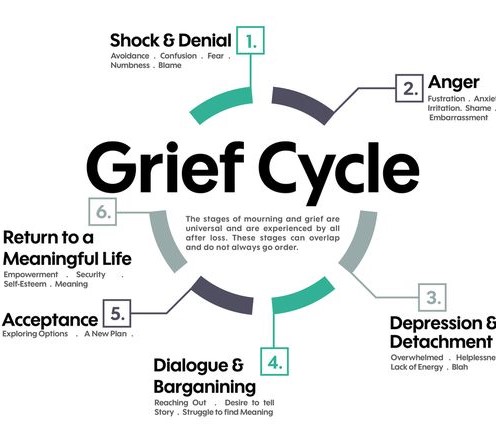
Acceptance can have a bittersweet quality. I had to grieve the reassurance, emotional security, and acknowledgment I required but never received.
Grieving involved confronting the agony of misunderstanding, the solitude of harboring feelings alone, and the letdown of missing the intimacy I craved. Although it was painful, embracing that grief paved the way for healing.
And it offers an exceptional freedom.
Letting go of my expectations for unfulfilled needs created space for satisfaction elsewhere—through personal growth, fulfilling friendships, and chosen family.
Releasing those expectations was akin to dropping a burdensome load I had carried for a long time.
I began to expand my emotional vocabulary, learning to nurture the parts of me that once yearned for their comprehension. My relationship with my parents transformed, not due to their change, but because I ceased measuring them against an impossible standard. Kindness and honesty enabled me to perceive them genuinely, fostering peace in that understanding.
Being kind and empathetic towards them is sometimes challenging.
On certain days, my inner child surfaces, hurt and upset. Compassion isn’t spontaneous; it’s a cultivated practice—a conscious choice to allow the past not to dictate the present.